Traditional demand generation is all about reaching as many of the right people as possible.
ABM is different.
Instead of casting a wide net, you're trying to create meaningful buying experiences for a carefully selected group of accounts. That means every touchpoint has to earn its place.
For us, interactive demos have become one of the most effective assets in our ABM toolkit because they let buyers experience the product on their own terms while giving our sales team meaningful engagement data to act on.
Here's how we think about those campaigns.
Start with Sales
Every ABM campaign begins with a conversation between our marketing and sales teams, and cs too, if we’re looking at expansion. Together we decide:
- Which accounts we're targeting
- Which buying groups we're trying to influence
- Where those accounts are in their buying journey
- What we want the campaign to accomplish
Here are some of the recent ABM campaigns we’ve run:
- The FOMO campaign - targeting the competitors of our top client accounts
- Project Harpoon - targeting select large B2B SaaS enterprise accounts
- Project Middle Earth - targeting new buyer groups at existing client accounts
Can you tell we like to name things around here?
Be Direct With Your Messaging
One of my favorite things about ABM is that you don't have to write for everyone.
Because we're speaking to a carefully selected audience, our messaging can be much more specific.
We can reference the challenges we know they're facing, call out the use cases that matter most to their role, and spend less time explaining the basics.
This results in copy that feels more conversational, more relevant, and a little punchier than our broader demand generation campaigns.
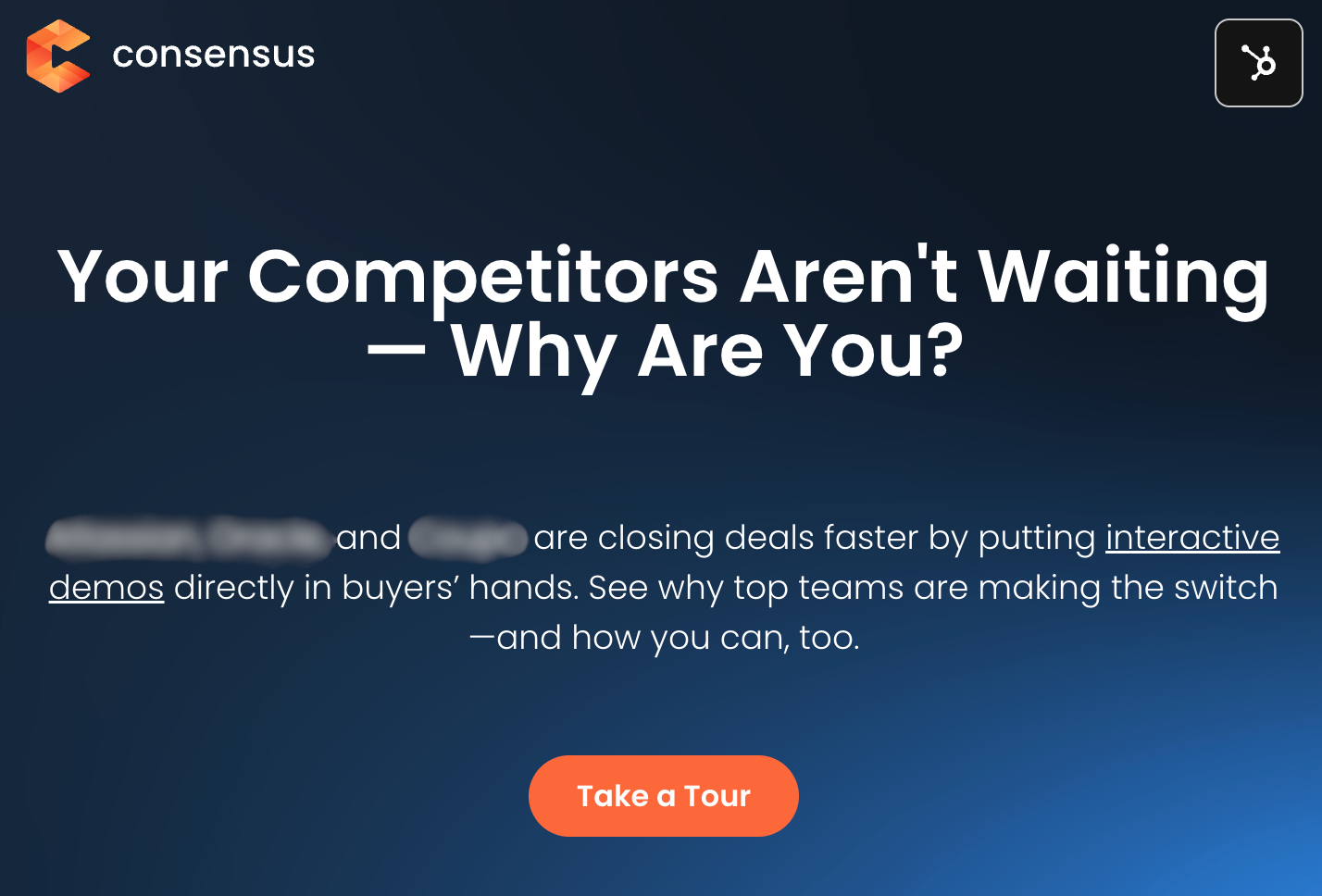
Match the Demo to the Buying Group
This is probably the biggest shift we made in our ABM strategy.
We stopped thinking about the demo and started thinking about the audience.
A sales leader doesn't care about the same things a demand gen manager does. A presales leader has completely different questions than a RevOps director.
So why would we send them the exact same demo?
Instead, we choose experiences based on who's receiving them and where they are in the buying journey.
For accounts that already know who we are, we'll usually skip the "Here's what Consensus does..." tour and jump straight into the good stuff—competitive differentiators, advanced workflows, and the use cases that matter most to that team.
That experience might include:
- A short video highlighting the most relevant use cases
- An interactive tour of the features they'll actually care about
- Content that answers the questions they're probably asking Claude anyway
Not every buyer needs the grand tour. Sometimes they just want directions to the kitchen.
Personalize Without Creating Hundreds of Assets
Here's one of my favorite shortcuts.
Instead of building a unique demo for every account (which sounds... exhausting), we create a single experience and personalize it dynamically.
Using Consensus Mail Merge links, we pass HubSpot tokens into the demo.
When someone opens it, they'll see details such as their own name and company directly within the experience. Just like this:
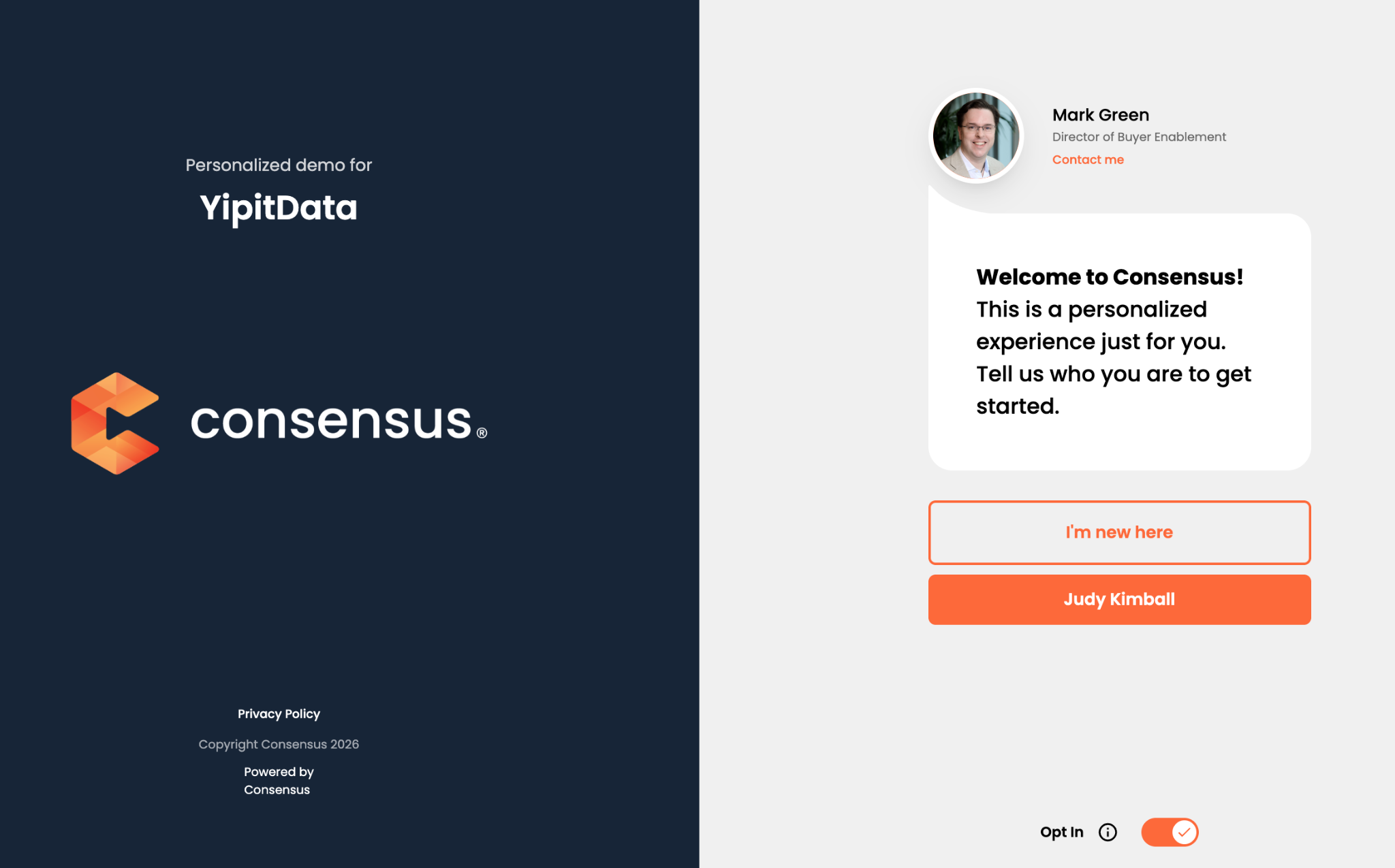
It feels like the demo was created just for them. In reality, marketing only built it once.
It's one of those small touches that make outreach feel much more thoughtful without creating an impossible amount of work for the marketing or presales teams.
Let Buyer Engagement Drive the Follow-up
Once emails are sent, the fun stuff starts!
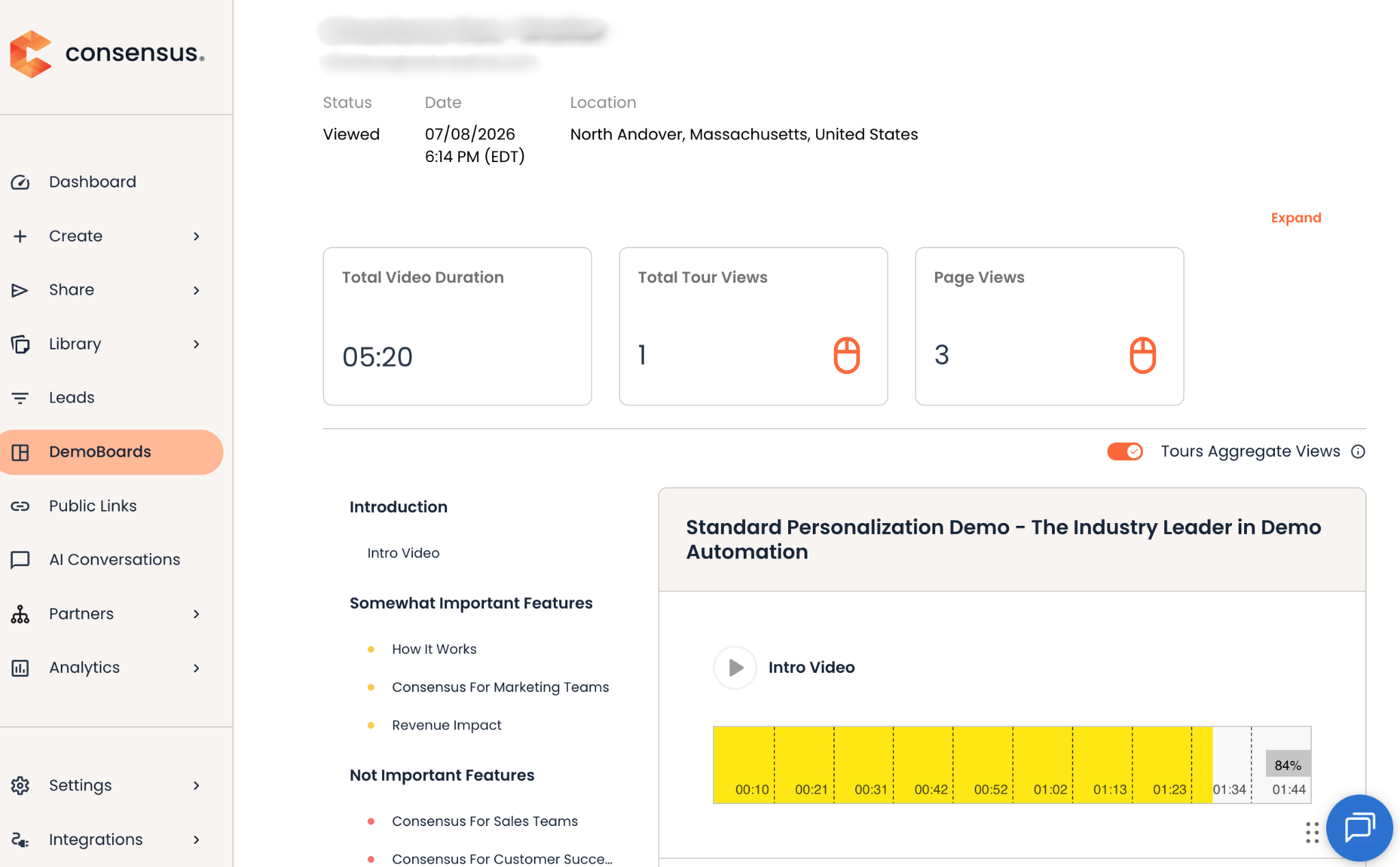
Instead of wondering whether someone was interested because they opened an email, we can see how they actually interacted with the product.
We can track things like:
- Who watched
- How long they watched
- Which sections they replayed
- Which tours they completed
- Who they shared the experience with
That engagement becomes a much stronger buying signal than an email open.
Marketing can automatically nurture contacts who don’t engage. Sales can prioritize the accounts showing real interest.
Even better, reps know what buyers cared about before reaching out.
Instead of asking, "Did you get a chance to look at our demo?"
They can say:
"I noticed you spent a few minutes looking at our Tour Analytics feature. Happy to answer any questions."
That's a much better conversation.
Customizing Landing Pages
Email isn't the only place we use interactive demos.
We also build personalized landing page experiences for groups of target accounts and drive prospects to them through ads.
Using HubSpot CMS, we can identify known contacts or target accounts when they land on our website and tailor the experience in real time. Instead of showing everyone the same page, we'll swap in company-specific messaging, relevant use cases, customer proof points, and interactive demos based on who they're with, their industry, or where they are in the buying journey.
The best part is we aren't creating hundreds of individual landing pages (please no).
We use dynamic content modules and CRM data to personalize headlines, CTAs, supporting copy, and the demo itself, all from a single page template. That lets us create an experience that feels highly tailored without giving our web team (or ourselves) a maintenance nightmare.
On nearly every landing page, we place an interactive demo in the hero or the module directly below it, either embedded or launched through a lightbox, so buyers can start exploring the product immediately.
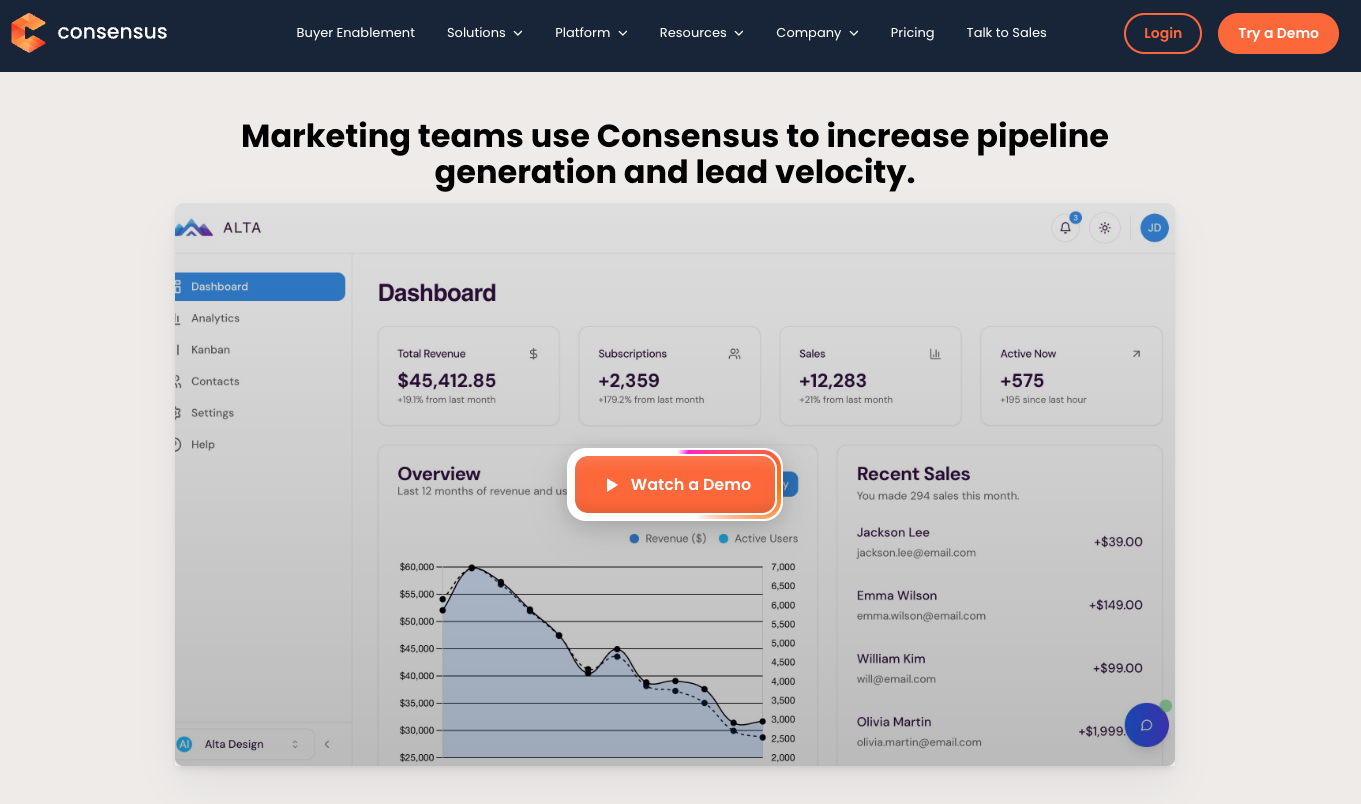
Whether we gate that experience depends on the audience.
For high-awareness accounts, we'll usually leave the demo ungated to remove as much friction as possible.
For campaigns targeting new companies or buying groups, we'll often ask a few personalization questions followed by a lead gate before showing the demo. That gives us useful information for Sales while still delivering value immediately afterward.
One thing we love about building these experiences inside HubSpot is that everything stays connected. Personalization is powered by CRM data we already have. Marketing can launch campaigns without waiting on engineering, and engagement rolls back into the same system we're already using to measure pipeline.
Don't Forget Your G2 Profile
One of the easiest wins in our ABM strategy has nothing to do with our own website.
For accounts already evaluating vendors, we'll often direct them to our G2 profile via personalized ad targeting.
At that stage, buyers are looking for social proof just as much as product information. Testimonials from real customers help answer questions marketing can't.
We also make sure our latest interactive demo is linked directly on our G2 profile so buyers can move seamlessly from reading reviews to experiencing the product.
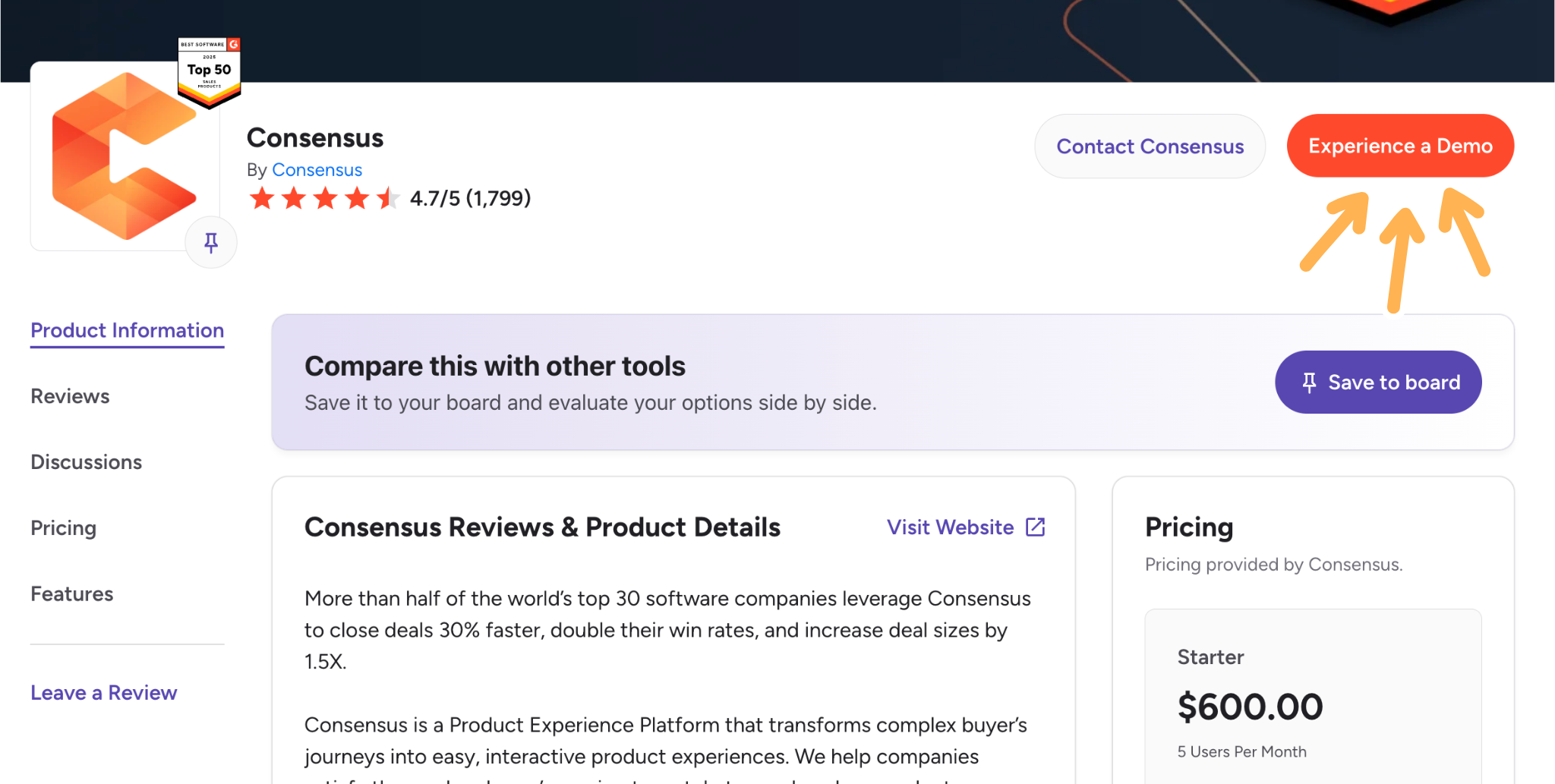
If your company has a G2 profile, adding a demo there is one of the easiest improvements you can make.
Don't Be Afraid to Get Weird
ABM gives marketers permission to have a little fun.
When you're only trying to reach a few dozen or a few hundred accounts, you can afford to do things that would be completely unreasonable in a broad demand gen campaign.
We've mailed tiny video players that autoplayed personalized demos when prospects opened the box.
We've sent cupcakes to offices with a note that basically said, "Don't settle for a vanilla demo experience."
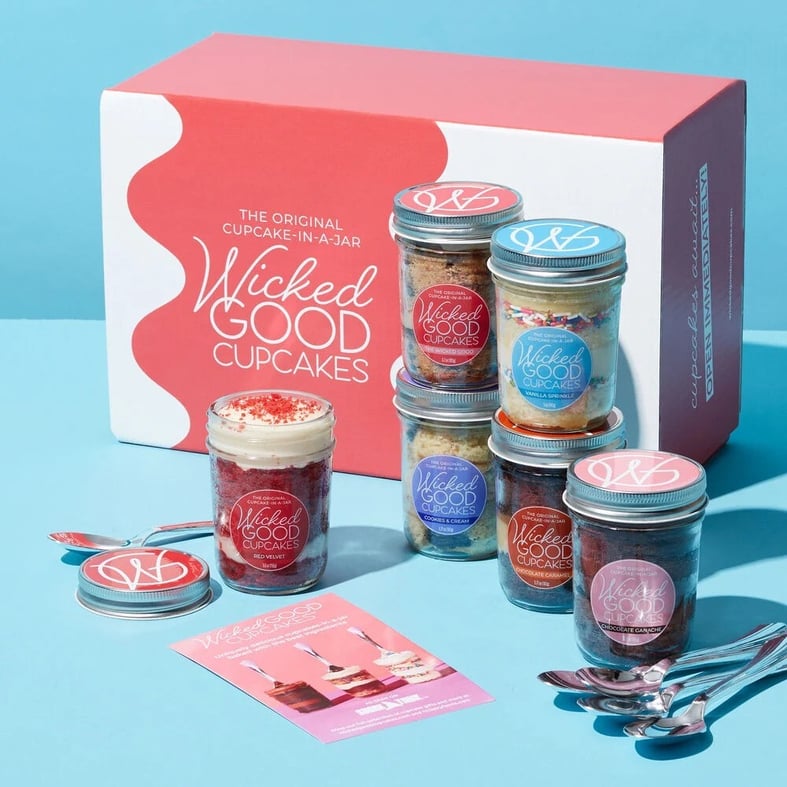
Were they a little ridiculous? Absolutely.
Did people remember them? Also yes.
The point isn't that every ABM campaign needs baked goods or expensive direct mail.
It's that standing out matters.
Your target accounts are probably hearing from your competitors too. If every email, landing page, and demo looks exactly the same, buyers will remember exactly none of them.
ABM is your opportunity to create experiences people actually talk about.
So don't be afraid to get a little weird.
Just make sure the experience is memorable for the right reasons.
The Bigger Lesson
One thing we've learned is that ABM isn't about creating more assets; it's about creating more relevant experiences.
Instead of asking buyers to schedule a meeting just to see your product, let them start exploring immediately.
Instead of guessing who's interested, use product engagement to guide your follow-up.
And instead of building dozens of one-off campaigns, create experiences that feel personal and relevant while still being scalable.
That's helped us create ABM campaigns that are easier for marketing to manage, more useful for sales, and far more engaging for the people we're actually trying to reach.
Ready to start adding interactive demos to your ABM motions? Book a meeting with us today, and we can get you set up.