
.png)

Buyers are making decisions earlier, with more stakeholders, and with less reliance on sellers. The companies that win will be the ones that turn every interaction into momentum when sellers aren’t in the room.
For decades, the GTM playbook was built around a simple assumption:
If we create enough awareness, capture enough leads, and generate enough conversations, revenue will follow.
- Marketing created demand.
- Sales converted demand.
- Presales helped buyers understand the product.
Each team owned a stage of the funnel, and success depended on moving buyers from one handoff to the next.
But the buyer journey no longer works that way.
The modern buyer does not move neatly from awareness to consideration to decision. They research independently, compare options, bring more stakeholders into the process, and evaluate solutions long before they ever speak with a salesperson.
According to Gartner, 17% of their total purchase journey involves meeting with potential suppliers. When comparing multiple suppliers, they spend just 5-6% of their time with any one sales rep.
Our own 2026 B2B Buyer Behavior Report tells a similar story. Across more than 6 million buyer interactions, we found that today's buyers are not waiting for sellers to guide every step. They are actively exploring products, sharing experiences with stakeholders, and signaling intent through the way they engage.
The implication is clear:
The companies that win won't just be the ones that create more demand.
They'll be the ones who understand and influence buyer momentum.
It’s Time to Change How Revenue Teams Engage Buyers
The challenge facing revenue teams today is not a lack of buyer interest. It is the growing gap between buyer activity and buyer understanding.
Buyers are already telling companies what matters to them. They are showing which problems they are trying to solve, which capabilities they care about, and which experiences move them closer to a decision. The challenge is that much of that insight is still trapped inside disconnected moments.
- Marketing sees campaign engagement, but often lacks visibility into what buyers actually care about once they interact with an experience.
- Sales receives leads and meeting requests, but may not know what a buyer explored before entering the conversation or what influenced their interest.
- Presales delivers critical product experiences, but often starts from the beginning instead of building on the research buyers have already completed.
This creates friction on both sides. Buyers are asked to repeat themselves, wait for answers, and navigate unnecessary handoffs. Revenue teams are left trying to piece together intent from incomplete signals.
The next generation of GTM requires a different approach: one where every buyer interaction creates value for both the buyer and the teams helping them make a decision.
That is the vision we have at Consensus.
Specifically, we’re helping teams solve some of the biggest challenges in modern buying:
Let Buyers Do Discovery
The problem: Buyers have questions, but most content cannot answer them.
The product video, PDF, or demo can educate buyers, but it cannot respond when they want to dig deeper. This creates dead ends in the buying journey at the exact moments when buyers are trying to build confidence.
The solve: Turn static content into interactive conversations.
With AI-powered conversational experiences, revenue teams can make their existing content more valuable by allowing buyers to ask questions, get answers, and continue exploring without waiting for a sales interaction. Content becomes more than something buyers consume; it becomes something they can engage with.
Don’t Let Buyers Slip Through the Cracks
The problem: Buyer interest can disappear between the moment they raise their hand and the moment a conversation happens.
A buyer who is ready to see a product today may not have the same urgency days later. Traditional demo processes often introduce friction at the moment when momentum is highest.
The solve: Give buyers immediate access to personalized product experiences.
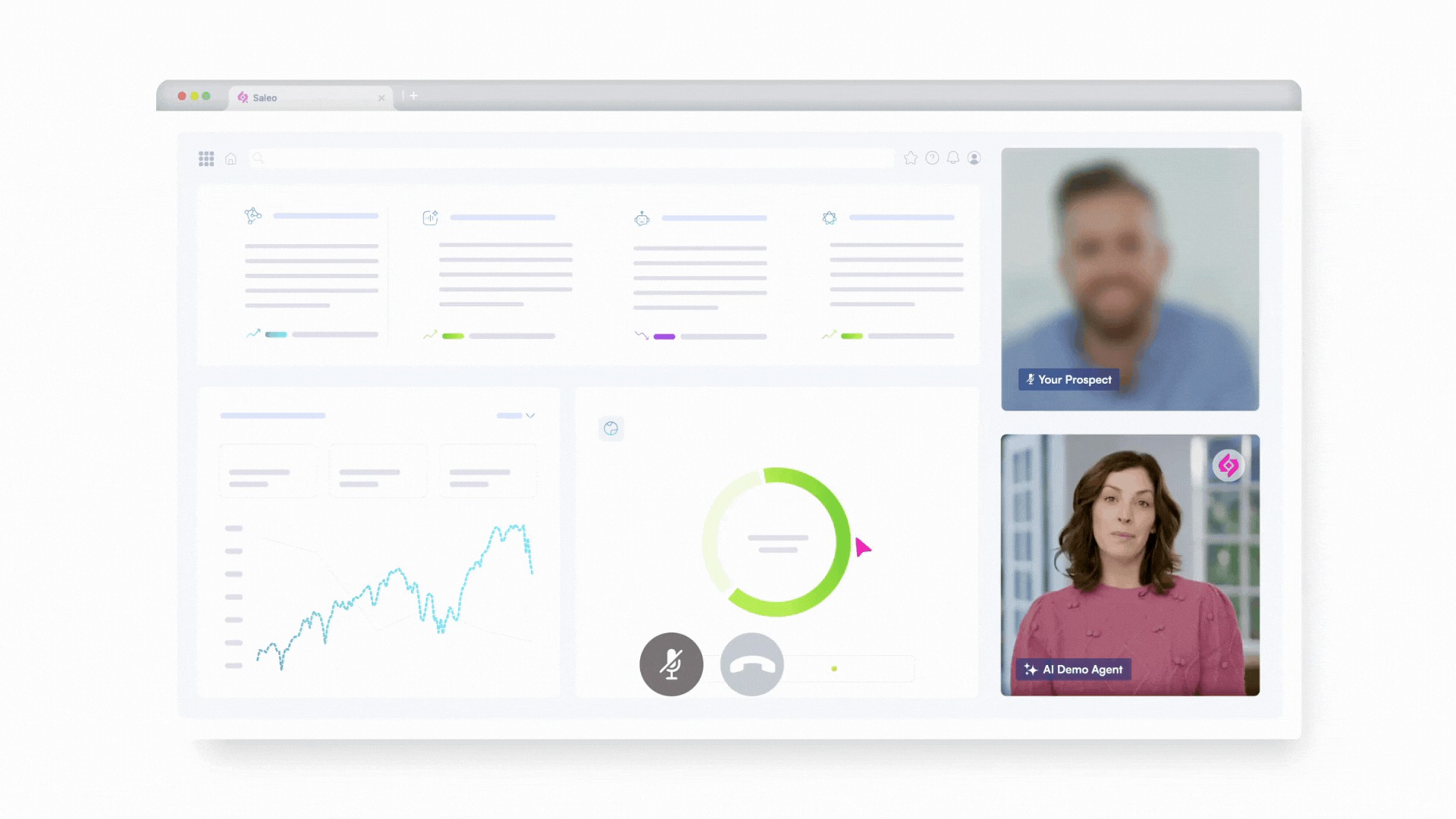
The AI Demo Agent help buyers explore products when they are ready, providing tailored demonstrations that respond to their interests and questions. When sales and presales join the conversation, they have more context and can focus on deeper discovery rather than starting from scratch.
Behavior Tells You Everything
The problem: GTM teams know what buyers did, but not always why they did it.
Clicks, downloads, and form fills provide valuable information, but they rarely explain what influenced a buyer’s decision or what signals indicate meaningful intent.
The solve: Turn engagement data into buyer intelligence.
Behavioral intelligence helps teams understand how buyers interact with experiences—what captures attention, what gets skipped, what questions emerge, and what actions indicate buying momentum. Instead of relying on assumptions, teams can make decisions based on real buyer behavior.
Test, Test, Then Test Some More
No one buyer is alike.
The problem: Most GTM teams optimize everything except the buyer experience itself.
Marketing teams test campaigns, messaging, and channels, but the product experiences buyers rely on are often created once and left unchanged.
The solve: Continuously improve experiences based on what works.
A/B testing gives teams the ability to experiment with different experiences, understand what drives engagement, and improve the way buyers interact with their products over time.
Together, these capabilities represent a broader shift in how GTM teams approach the buying journey.
The goal is not to create more content, more campaigns, or more handoffs.
The goal is to create better experiences, ones that help buyers make decisions with confidence while giving revenue teams the context they need to have better conversations.
Because the future of GTM will not be defined by who creates the most demand.
It will be defined by who understands buyers best.
Momentum Is Measurable
For years, GTM teams have measured activity because activity was the easiest thing to measure. Website traffic, form fills, meetings booked, email opens, and pipeline created all provide valuable signals, but they don't tell the complete story. They measure engagement, not progress.
The next generation of GTM will measure momentum.
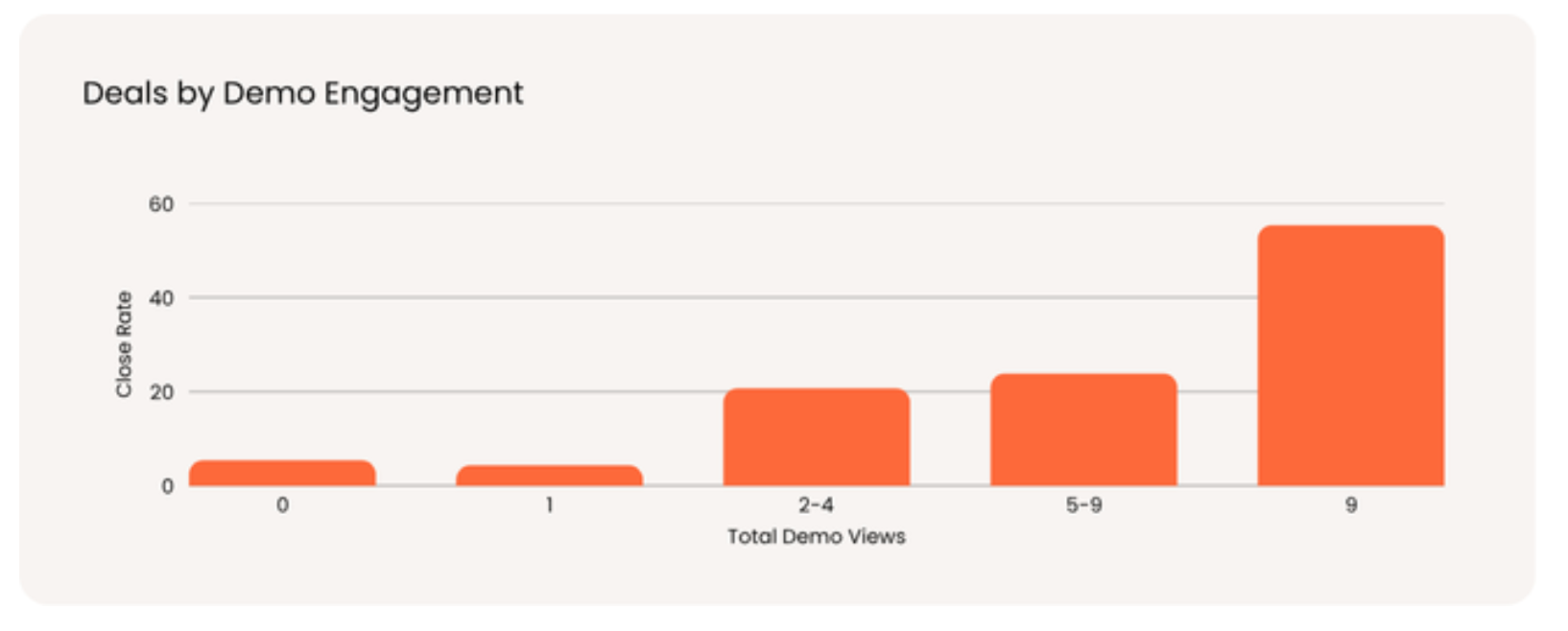
Our 2026 B2B Buyer Behavior Report found that buyer behavior is remarkably predictive when you know what to look for. Buyers who engage more deeply with product experiences are significantly more likely to become customers. In fact, buyers who engage with nine or more demos reach a close rate of more than 55%...an 8 to 10x increase over buyers who never engage with a demo. That tells us something important: meaningful product engagement isn't just a nice metric to have; it's one of the strongest indicators that buying momentum is building.
The report also found that the average buying experience involves four stakeholders, and the people who are discovered after a demo is shared internally engage at more than twice the rate of the original recipient. Buying decisions have become team sports, yet most revenue teams are still focused on a single lead record instead of understanding how the buying committee is forming.
Even buyer attention tells a story. The average buyer spends just over five minutes engaging with a demo, despite the average demo lasting more than fifteen minutes. Buyers aren't asking for more content…they're selectively consuming the information that helps them move forward. Every question they ask, every chapter they revisit, every stakeholder they involve, and every experience they share provides another signal about where they are in the buying process.
For revenue leaders, this changes the conversation.
Instead of asking, "How many leads did we generate?" we should be asking, "Which buyers are building momentum?"
Instead of asking, "Did they watch the demo?" we should be asking, "What did they learn, who did they share it with, and what happened next?"
Those are the signals that help marketing create better experiences, help sales prioritize the right opportunities, and help presales spend more time where they can have the greatest impact.
The Future of GTM Isn't More Handoffs. It's More Momentum.
The next shift is already underway.
Revenue teams are no longer responsible for simply moving buyers through a funnel. They are responsible for helping buyers make confident decisions, regardless of where they are in the journey.
That requires more than better campaigns or better demos. It requires a connected buying experience where every interaction builds on the last, every team operates from the same understanding of the buyer, and every signal helps create the next meaningful conversation.
That's the future we're building at Consensus.
Not because buyers need more content or more technology, but because they deserve better buying experiences.
The companies that win over the next decade won't necessarily be the ones with the biggest marketing budgets or the largest sales organizations. They'll be the ones that make it easier to evaluate, easier to understand, and easier to buy.
Because in modern B2B, momentum is the new competitive advantage.
I’m so excited by what we’re building at Consensus and what it means for the future of revenue teams.
Learn more about what’s to come at goconsensus.com/launch.