


If you’re looking for a Navattic review, you’re likely at the comparison stage. You already understand the value of product tour software. Now you’re deciding whether Navattic is the right platform for your team, or whether one of its alternatives would deliver better results.
Given that 75% of B2B buyers prefer a rep-free sales experience, favoring digital self-service for research and purchasing, this isn’t a casual software purchase. Demo platforms shape how buyers experience your product before sales ever steps in. Navattic, like others in the category, promises to make that experience seamless.
But many demo platforms look similar at first glance. Most offer interactive tours, customization options, and engagement tracking. The differences only become clear when you compare how each platform handles customization, reporting, scalability, and ongoing management. That’s why teams evaluating Navattic typically weigh it against the strongest alternatives before making the final call.
This Navattic review breaks down everything you need to know about the platform, including how it works, what it costs, and how its current users rate their experience (plus, the top Navattic alternatives to consider).
What is Navattic?
Navattic is an interactive demo platform that lets users create self-guided demos that mimic their software. People can capture both the look and functionality of their platform and then use the drag-and-drop editor to add text, images, and interactive elements to their demos. Then, they create custom share links for each buyer or embed demos directly into their website.
Navattic tracks analytics like click-through rate and where viewers are dropping off to let users see how their viewers are engaging with their demos. It sends real-time alerts to tell them when viewers are interacting with their demos and creates lists of prospects based on the company engaging with the product demo.
Navattic Review

Navattic may be a good fit for some companies, but is it right for yours? Let’s dive into this Navattic review to explore key features, pricing, and customer feedback, then compare it with leading alternatives to help you make an informed decision.
Navattic Key Features
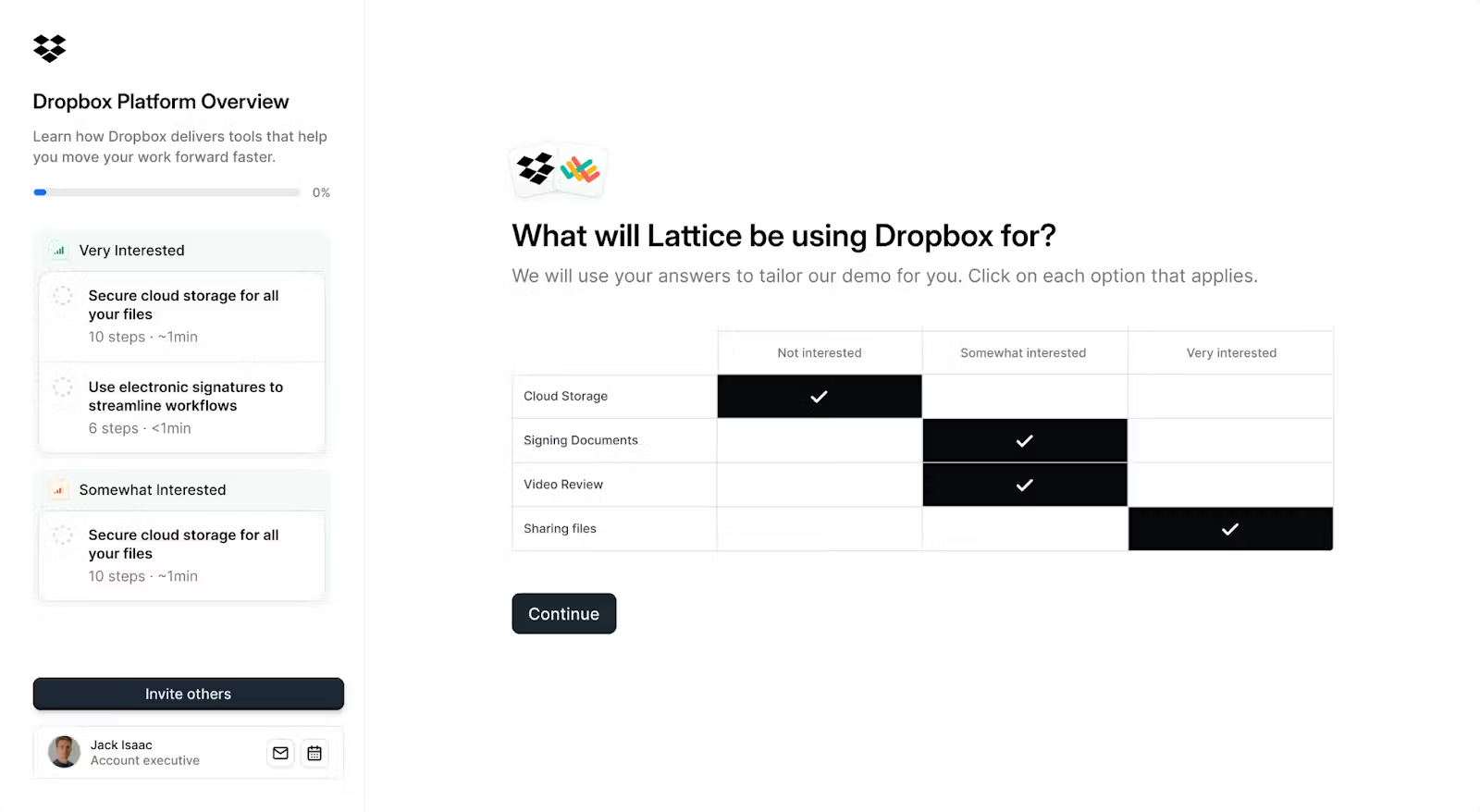
Navattic continues to evolve its platform. Based on current product documentation and publicly available materials, key features include:
- Capture & Clone Technology: Clone application screens and replicate UI flos for interactive demos.
- Storyboard Builder: Use a drag-and-drop editor to add text, tooltips, media, and guided flows.
- Beacons & Hotspots: Highlight key features and guide viewers through a product tour.
- Lead Capture Forms: Collect user data directly within product demos.
- Personalization Variables: Add dynamic variabes to customize demos.
- Reveal & Enrich: Identify companies interacting with demos.
- Custom Share Links: Generate trackable links for individual buyer.
- Website Embeds: Embed an example of a product demo directly on landing pages or website pages
- Real-Time Alerts: Notify teams when buyers engage with a demo.
- Analytics Dashboard: Track engagement metrics like completion rate and step drop-offs
- CRM Integrations: Sync engagement data into CRM systems like Salesforce and Hubspot.
- Password Potection & Access Controls: Restrict demo access where needed.
Not all features are available across every pricing tier. You may need to upgrade to access these capabilities.
Navattic Customer Reviews
Navattic receives consistently positive feedback for creating realistic interactive demo experiences, with some reviewers noting opportunities to streamline setup and expand customization options.
Currently, Navattic has a rating of 4.7 out of 5 stars on G2. Below are recent representative reviews from users:
-
“The authoring experience is surprisingly straightforward. I used Navattic to build interactive demos for our relaunched product academy. The end result looks and feels like a user is actually inside our product, while still being able to click around and test things in a non-destructive environment. The initial setup can take a little time, especially if you’re trying to capture complex, multi-step workflows with lots of different UI states.” – G2 user
- “Navattic has been incredibly helpful for rolling out changes and introducing new functionality to customers in a scalable way. With a large book of business, we need to communicate updates without relying on 1:1 outreach, and feature flags allow us to control exposure, test safely, and roll things out gradually. There’s a learning curve for teams that are newer to feature flagging though, and it requires good internal coordination to use it effectively.” – G2 user
-
“While Navattic offers powerful features for creating demos, there is room for enhancement in user interface customization options and integration capabilities. Improving these aspects would offer users greater flexibility to seamlessly integrate demo content into their sales processes.” – G2 user
-
“If I had to nitpick, I’d say the capture and editing tools could be a bit more intuitive. Once you’ve built your first experience, it starts to make sense, but streamlining that initial setup would make creating new demos even faster.” – G2 user
|
Review Site |
Rating |
|---|---|
|
G2 |
4.7/5 |
|
Capterra |
4.5/5 |
|
Product Hunt |
5/5 |
|
TrustRadius |
9.1/10 |
|
GetApp |
4.5/5 |
What Redditors Say About Navattic
Discussions about Navattic on Reddit tend to appear within broader conversations about interactive demo platforms, where practitioners share candid insights on usability, maintenance, and analytics expectations:
- “Navattic tends to be the easiest balance of no-code and good analytics. They make it simple to build guided flows that actually feel interactive without drowning you in setup work.” – Reddit user
- “We started with another demo platform at a former startup and the product marketing team found it difficult to build the demos… We ended up going with Navattic and it was night and day in terms of speed to build demos. Now in the process of bringing it on at my current company.” – Reddit user
- “Navattic felt a bit limiting during the trial. I also hit roadblocks with personalization and design flexibility.” – Reddit user
- “We used [Navattic] for a while in top-of-funnel campaigns and saw decent engagement. It doesn’t go very deep on personalization or buyer insights though. You get basic metrics, but not much you can act on. Good for awareness, not great for sales handoff.” – Reddit user
Navattic Pricing
Navattic has five pricing plans:
- Starter: $0/month
- Starter Plus: $50/month
- Base: $600/month
- Growth: $1,200/month
- Enterprise: Custom pricing available upon request
Top Navattic Alternatives and Competitors
Navattic may not be the right fit for every business. Whether you’re looking for enhanced buyer engagement, faster sales cycles, or tools tailored to specific roles like sales or presales, exploring an alternatives to Navattic can help you choose a platform that aligns with your goals.
1. Consensus

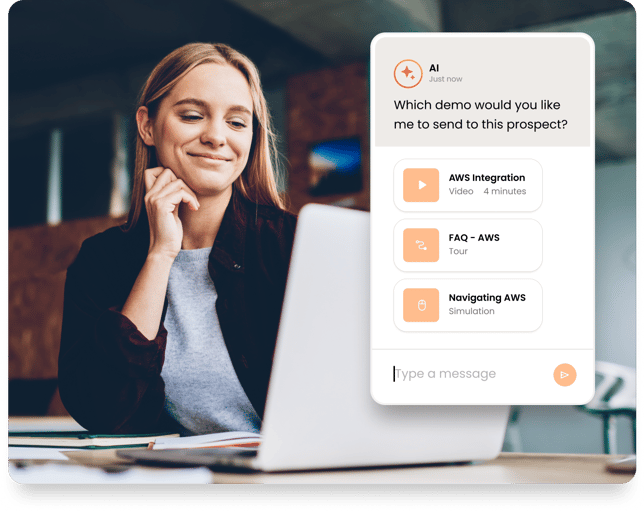
Consensus is an AI-powered demo automation platform that turns product engagement into sales execution. It delivers personalized, on-demand demos that buyers can access instantly, eliminating the need for repetitive live walkthroughs while ensuring they see the features most relevant to them.
Behind the scenes, Consensus captures structured engagement data across stakeholders, including who watched, what they focused on, how long they spent, and what they returned to. An embedded AI assistant analyzes that activity in real time, identifies meaningful buying patterns, and surfaces clear next steps inside the revenue workflow. Instead of manually interpreting clicks or guessing at intent, revenue teams receive prioritized signals that inform follow-up and account strategy.
Consensus users see 50% larger deal sizes, double their number of deals, and reduce their sales cycle by 30%. Plus, G2 ranks them as the #1 demo automation platform in the world.
Key Features:
- Consensus AI: Speed up creation, tailor experiences by persona, and route the right demo to the right stakeholder without adding manual work
- AI Agents: Use personalized AI agents to surface buyer insights and connect them across your GTM tools
- On-Demand Video Demos: Deliver personalized demo experiences without scheduling live calls
- Interactive Product Tours: Build guided, clickable tours that keep the story controlled and easy to follow.
- Automated Product Simulations: Provide interactive walkthroughs that replicate real product workflows
- Screen Recorder: Capture and edit video demos inside the platform
- Chrome Extensions: Record product walkthroughs quickly and turn captures into reusable demo assets
- Demo Player: Deliver interactive demos on any browser or device
- DemoBoards: Share secure, branded buyer hubs that package demos, docs, and next steps in one place
- Playlists: Share multiple product experiences in one link to guide buyers throughout their journey
- BuyerBoard: Give champions a space to share demos internally and pull more stakeholders into the buying group
- Content Downloads: Attach security docs, one-pagers, and supporting assets directly to the demo experience
- Public Links and Merge Links: Create trackable links for email, sequences, website pages, and campaigns
- Demo Library: Centralize demo assets for reuse across sales, presales, marketing, and CS
- Demolytics: Track buyer intent signals to qualify faster and prioritize follow-up with confidence
- Enterprise Security Controls: Support gated access, permissions, and secure content sharing
- CRM & MAP Integrations: Sync buyer engagement data into Salesforce, HubSpot, and marketing platforms
Pricing:
- Starter: From $600/month
- Pro: From $1,250/month
- Enterprise: Custom pricing available upon request
Navattic vs Consensus
Consensus offers more in-depth analytics so you can better understand your buyers and what they want to see. It also provides additional features that other inactive demo software tools lack, like two-factor authentication and the ability to add attachments to demos for more engagement opportunities.

2. Walnut

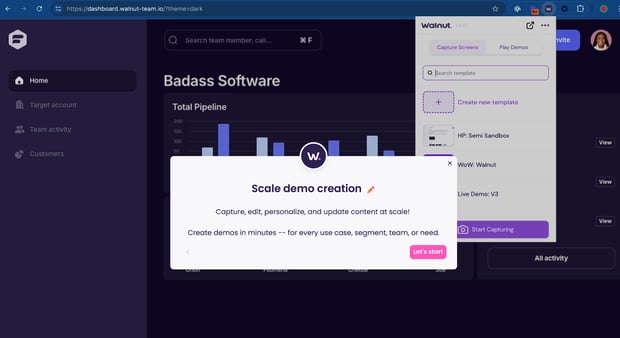
Walnut is an interactive demo platform that uses a browser extension to capture product screens and turn them into editable, click-through demos. It features personalization tools, engagement tracking tied to deals, and a centralized demo library for managing and reusing demo assets across sales and marketing teams.
Key Features:
- Browser-Based Capture: Clone product interfaces without engineering involvement
- Demo Wizard Editor: Personalize text, data fields, and UI elements per prospect
- Dynamic Variables: Insert account-specific data into demos automatically
- Deal Intelligence Dashboard: Monitor engagement and buying signals
- Team Collaboration Tools: Support multi-user editing and shared demo libraries
- CRM Integrations: Sync demo engagement into Salesforce and HubSpot
- Security Controls: Restrict access and manage permissions across teams
Pricing:
- Ignite: $750/month
- Accelerate: $1,550/month
- Scale: Custom pricing available upon request
3. Reprise

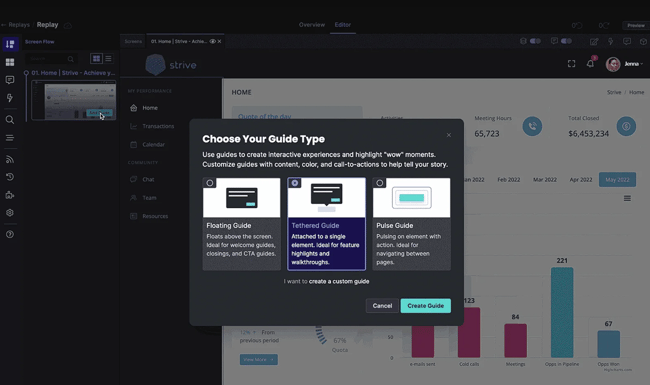
Reprise lets users create live demos, interactive product tours, and sandbox environments. Users can choose between screen or application capture and populate demos with information based on datasets from their clients. They can build demo workflows tailored to their brand or personalized to their buyer.
Key Features:
- Reprise Replay: Capture screens and build guided product tours
- Reprise Reveal: Personalize demos with dynamic datasets
- Reprise Replicate: Fully clone applications for advanced simulations
- Sandbox Environments: Create controlled product environments for hands-on exploration
- Demo Workflows: Build structured demo paths for different personas
- Advanced Personalization: Tailor demo data to target accounts
- Engagement Analytics: Track user behavior and activity
- Sandbox Environments: Create controlled product environments for hands-on exploration
- Demo Workflows: Build structured demo paths for different personas
- Advanced Personalization: Tailor demo data to target accounts
- Engagement Analytics: Track user behavior and activity
Pricing: Custom pricing available upon request
4. Demoboost
Demoboost lets users capture their screens in multiple ways and then edit and personalize their demo. Users can build a library of interactive demos, integrate them into their tech stack, and see engagement metrics and insights, including who’s watching demos, average completion rate, and Net Promoter Score.
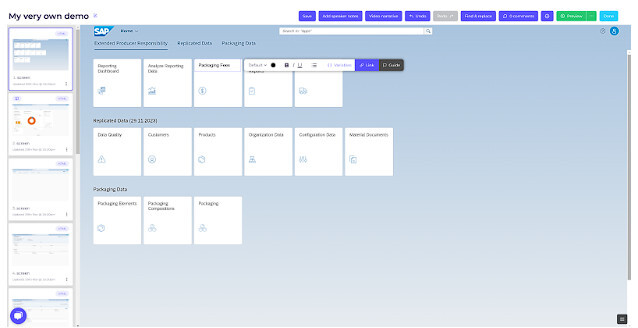
Photo courtesy of Demoboost
Key Features:
- Multiple Capture Options: Capture a screen for a product tour through single-screen, multiscreen, and screenshot captures.
- Custom Calls to Action: Direct viewers through their tour and toward next steps.
- Demo Analysis: Track how viewers are interacting with demos.
- Demoboost Overlay: Integrate existing demos with live demos.
Pricing: Demoboost does not publicly display pricing.
5. Supademo

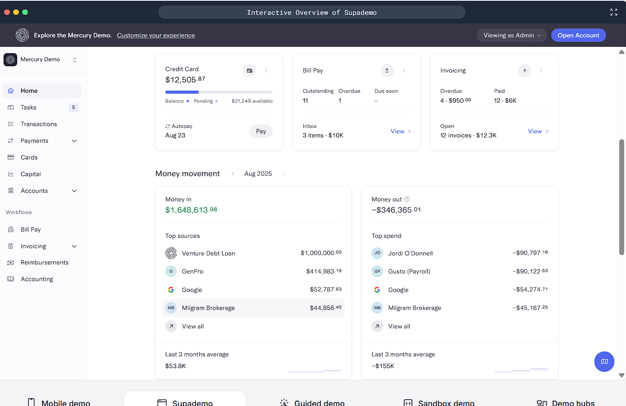
Supademo is a product demo tool built for startups and product-led growth teams that want to move fast. It uses AI to generate guided product walkthroughs based on how a user interacts with their application during recording. Teams can then refine the flow, add branching paths, and enhance the experience with features like AI voiceovers and multilingual translations.
Key Features:
- Multiple Recording Options: Record a product tour using the Chrome extension or using a desktop app
- AI-Generated Walkthroughs: Automatically create step-by-step demo flows
- AI Voiceover & Translation: Add narration and multilingual support
- Conditional Branching: Create multi-path demo experiences
- Trackable Links: Monitor viewer behavior and engagement
Pricing:
- Starter: $0/month
- Scale: $38/month per creator
- Growth: $350/month per creator
- Enterprise: Custom pricing available upon request
6. Storylane

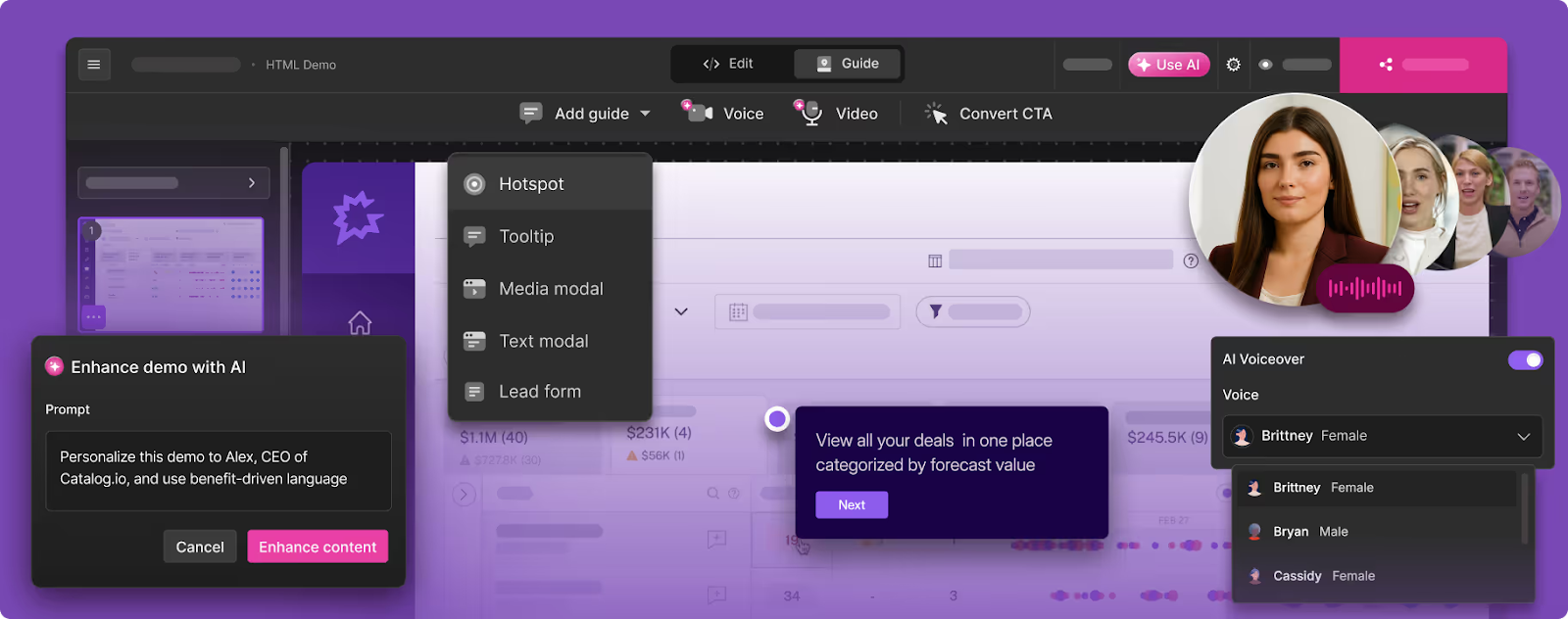
Storylane is an interactive product demo software that allows users to create guided demos and sandbox solutions, captured via Storylane’s browser extension. Users can edit text, customize HTML images, change graphs, and embed content like video, audio, pdf, maps, and more.
Key Features:
- Browser-Based Capture: Record and replicate product interfaces
- Sandbox Demo Creation: Build interactive exploration environments
- Tokenized Personalization: Insert custom data fields dynamically
- Lead Capture Forms: Collect buyer information within demos
- Account Reveal: Identify companies interacting with demos
- DemoHub: Centralize and organize demo assets
- Engagement Analytics: Track viewer behavior and interest
Pricing:
- Basic: Free
- Starter: $40 per month
- Growth: $500 per month
- Premium: $1,200 per month
- Enterprise: Custom pricing
Compare Storylane to Consensus.
7. Tourial

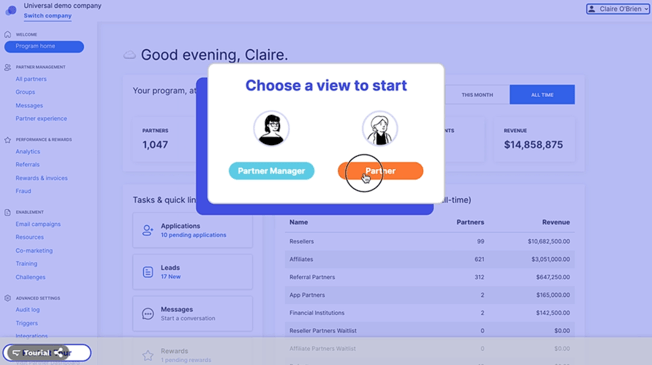
Tourial is an interactive product tour platform built for marketing and product teams that want lightweight, HTML-based demos embedded on websites and landing pages. It allows teams to create customizable walkthroughs with personalization, lead capture, and engagement tracking designed to convert high-intent website visitors.
Key Features:
- HTML-Based Interactive Tours: Create lightweight clickable experiences
- Personalization Tokens: Customize text and UI fields dynamically
- Marketing Analytics Integrations: Connect demo data to marketing tools
- Website Embeds: Deploy demos directly on high-intent pages
- Template Builder: Standardize demo layouts for campaigns
- Lead Capture Forms: Gate content for demand generation
Pricing:
- Engage: Custom pricing available upon request
- Scale: Custom pricing available upon request
Explore Consensus as a Tourial alternative.
8. TestBox
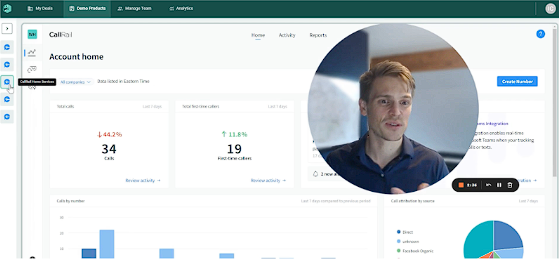
TestBox provides hands-on product evaluation environments designed for late-stage buying motions where buyers need direct access to the software. It supports structured testing paths and guided workflows, along with usage insights that help revenue teams understand how stakeholders engage during the evaluation process.
Key Features:
- Live Sandbox Environments: Provide functional product instances for buyers
- CRM Data Personalization: Pre-populate demos with account-specific data
- Guided Walkthrough Overlays: Layer instructions over live environments
- Technical Buyer Enablement: Support deeper product evaluation
- Usage Tracking: Monitor how prospects interact with sandbox environments
- Security & Access Controls: Manage permissions and expiration settings
Pricing:
- Startup: From $44,750/year for 15 users
- Growth: From $59,500/year for 15 users
- Enterprise: Custom pricing available upon request
Explore Consensus as a TestBox alternative.
9. Arcade

Arcade is a lightweight interactive demo tool focused on fast creation and ease of use. It allows teams to capture product screens using a browser extension and quickly transform them into clickable product tours.
Key Features:
- Chrome Extension Capture: Record product flows instantly
- Clickable Hotspots: Add guided interactive steps
- Fast Editing Interface: Modify demos without engineering help
- Embed Anywhere: Deploy demos across web properties
- Basic Engagement Analytics: Track views and interactions
- Team Collaboration: Share demo assets internally
Pricing:
- Free: $0/month
- Pro: $32/month
- Growth: $42.50/month per user
- Enterprise: Custom pricing available upon request
Explore Consensus as an Arcade alternative.
Choose the Best Navattic Alternative
Every revenue team wants shorter sales cycles, larger deal sizes, higher conversion rates, and stronger stakeholder engagement. Interactive demo platforms like Navattic can help, but Navattic in particular stops at the demo itself—it doesn’t automate demo follow-up or show sales teams what to do next based on engagement.
Consensus does. The product experience platform delivers AI-powered, on-demand demo experiences that automatically track and act on engagement after delivery. Buyers engage with tailored product content on their own time, while Consensus’ AI assistant analyzes that activity, identifies meaningful buying patterns, and surfaces clear next steps inside the revenue workflow.
Choose Navattic for standalone demos. Choose Consensus when you want automated, on-demand product experiences that actively move deals forward.
See for yourself how Consensus turns demos into revenue.